Tree Protection
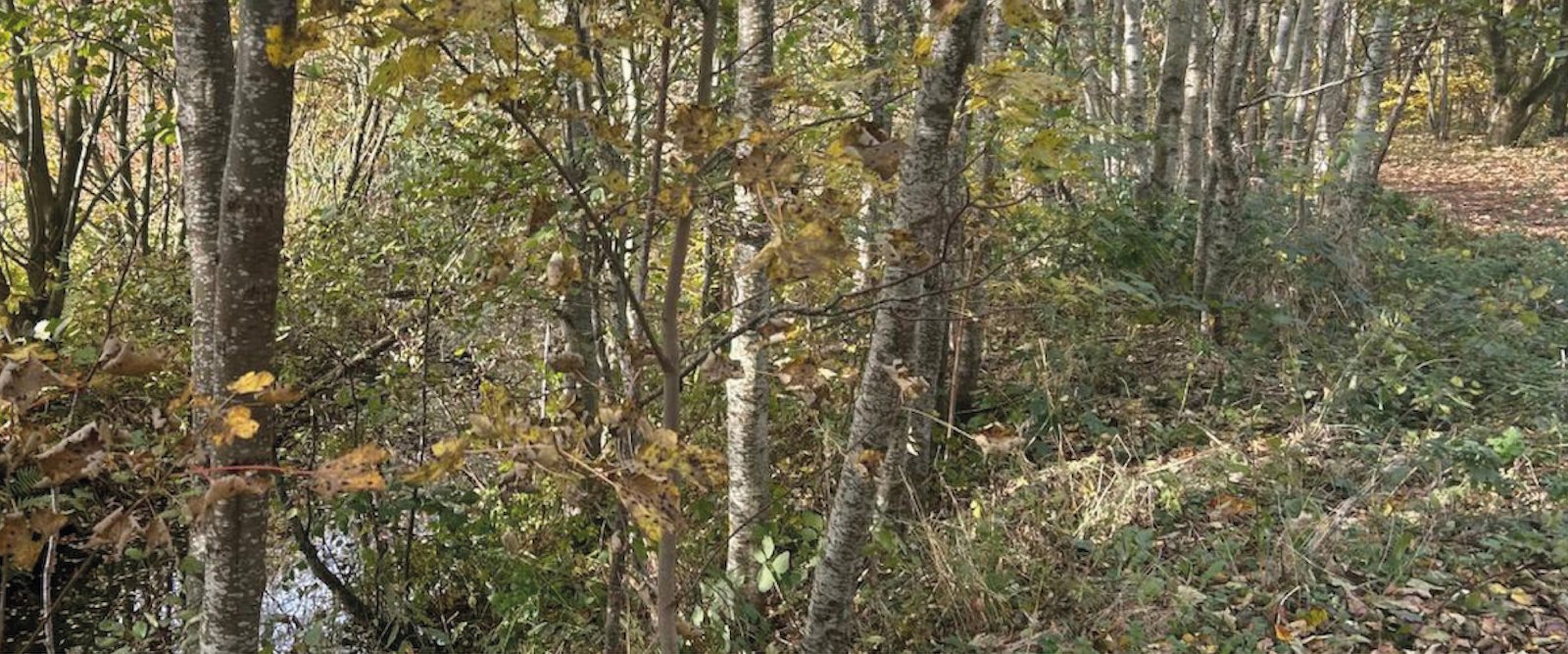
I have been a long-standing member of The Woodland Trust and a nature champion for the holly, ash and now ancient woodlands.
Towards the end of the last session of parliament the Trust asked me if I would be prepared to sponsor a proposed Tree Protection Bill in this session.I said yes so we have been working with the Non-Governmental Bills Unit to come up with a workable proposal.
We aren’t quite there yet but we are nearly there. In essence, the Bill would seek to establish a coherent statutory framework for protecting Scotland’s ancient woodlands and its most valuable trees. The aim would be to prevent irreversible damage, strengthen accountability and ensure that protection is considered before threats arise, rather than only after development plans have advanced.
One option is to create clearer offences for damaging or destroying ancient woodland and ancient or veteran trees, alongside stronger penalties. The intention would be to deter unlawful harm and prevent fines from being treated as an acceptable development cost.
Definitions and criteria would need to be sufficiently clear for landowners, communities, developers and enforcement bodies to understand which trees and habitats qualify.
The proposals also explore reforming Tree Preservation Orders. Rather than relying principally on intervention when a tree is threatened, protection could apply automatically to trees meeting specified criteria. A complementary Heritage Tree designation could recognise trees with particular cultural, historical or community significance, including those whose importance is not solely determined by age or size.
A further strand might be a statutory duty of care requiring landowners to take reasonable steps to maintain or restore protected woodland and trees to good ecological condition. Possible mechanisms include management plans, greater cross compliance with grant funding, notices, monitoring and penalties where reasonable action is not taken.
Tighter felling licensing in ancient woodland is also a possibility.These remain policy options rather than settled legislative provisions.
A similar Bill is making its way through the Northern Ireland Assembly and I am following that closely. That Bill sets out to:
1. Amend and strengthen primary legislation to provide enhanced legal protection for Northern Ireland's oldest and most significant trees and woodlands.
2. Reform the Tree Preservation Order (TPO) system to align with practice in England, Scotland, and Wales—closing loopholes, ensuring consistent enforcement across local authorities, and broadening designation criteria to reflect the full environmental, social, and health benefits of trees.
3. Ensure legislative protections reflect the modern understanding of the role trees play in climate resilience and public health.
4. Protect ancient and long-established woodland by introducing enforceable safeguards against development, recognising these habitats as irreplaceable.
Our Bill would not be exactly the same. It would go further. MSPs are generally supportive of protecting the environment. We need to work through the detail though so that we get this right and that is what I will be doing.